Crafton Hills College Launches Inaugural Ethnic Studies Luncheon, Inspiring Vision for the Future
Publish Date: May 1, 2026
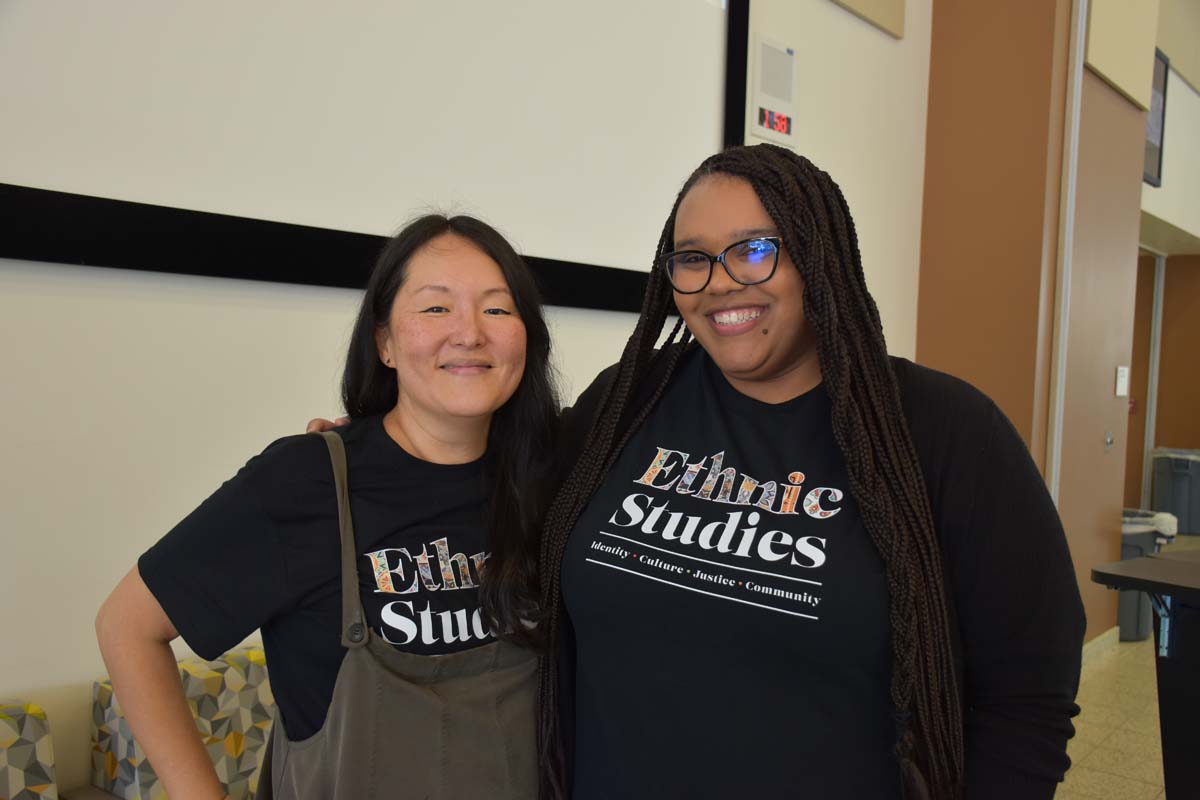
Crafton Hills College marked a meaningful milestone on May 1 with its inaugural Ethnic Studies Luncheon, an event that was as much a celebration as it was a call to action. Hosted by Ethnic Studies faculty Dr. Danae Hart and Dr. Nancy Wang Yuen, the gathering brought students, faculty, and staff together in the Roadrunner Café to reflect on the roots of ethnic studies and imagine its future on campus.
The program grounded attendees in the discipline’s origins—born out of student activism in the late 1960s, when movements like the Third World Liberation Front demanded that higher education recognize the histories, cultures, and intellectual contributions of communities of color. As shared during the luncheon, ethnic studies continues to challenge traditional narratives, positioning these communities not as side notes in history, but as creators of knowledge and agents of change.
The event also highlighted the growing presence of ethnic studies at Crafton. From courses like Native Peoples of North America and Chicanx Studies to future plans for African American and Asian American Studies, the program is expanding with intention. Faculty shared a vision that reaches beyond individual classes—toward interdisciplinary collaboration, student learning communities, and deeper campus-wide engagement.
Guest speaker Dr. Anthony Blacksher brought both urgency and inspiration to the afternoon. Blending personal storytelling with scholarly insight, he spoke about the responsibility of institutions to not only support ethnic studies—but to actively protect it. He challenged the campus community to move beyond symbolic support and instead engage in the real work of removing barriers, fostering belonging, and standing alongside students and faculty navigating complex and often difficult conversations.
“Ethnic studies is not just about inclusion,” he emphasized. “It’s about truth-telling, critical thinking, and empowering communities.”
Alongside the dialogue, the luncheon offered moments of connection and reflection—student-designed swag honoring the legacy of ethnic studies, shared meals, boba tea, and even a sound bath to help ground participants in the moment and prepare for what lies ahead. As attendees left the space, they carried with them both a deeper understanding of the discipline and a collective sense of possibility for what comes next.


