Crafton Hills College Hosts Workshops on Credit for Prior Learning Initiative
Publish Date: April 1, 2026
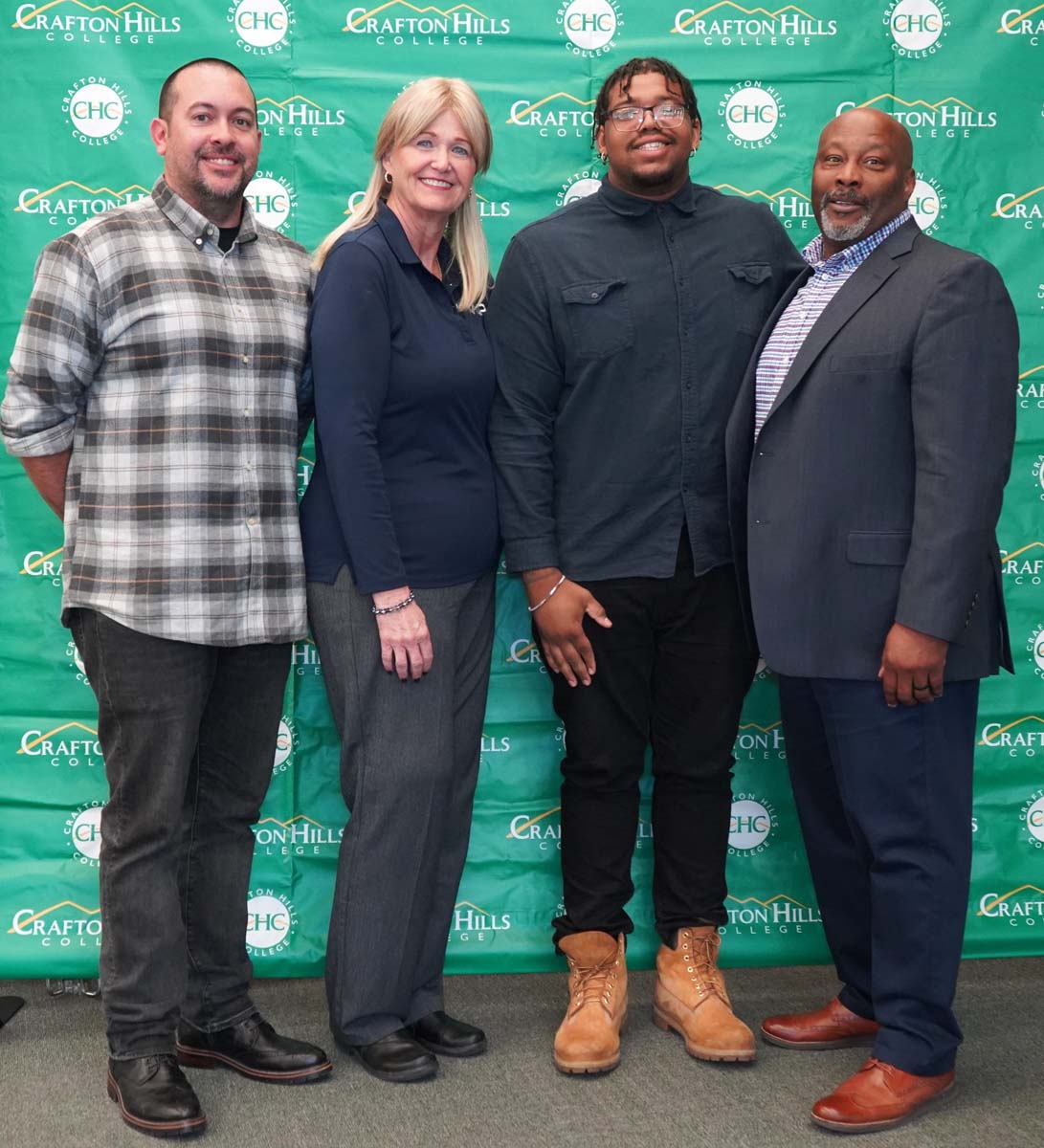
On April 1, Crafton Hills College Dean of Career and Human Development Dan Word coordinated two campus workshops to introduce and explore the implementation of Credit for Prior Learning (CPL), a statewide initiative transforming how colleges recognize and award academic credit.
The workshops outlined how CPL allows students to earn credit for knowledge gained outside the traditional classroom—through work experience, military service, apprenticeships, and independent learning—under California Title V guidelines. Designed to support working adults and veterans, CPL helps remove common barriers such as cost and time to completion. By colleges recognizing knowledge gained outside schools, many students can shorten their time to degree—often by up to a year—while reducing educational expenses and accelerating their path to career advancement.
CPL is not automatic. It is a faculty-driven, standards-based process in which instructors evaluate whether a student’s prior learning aligns with established course outcomes. This process ensures academic integrity while expanding access and opportunity.
The workshops highlighted CPL’s broader impact and rapid expansion. Now implemented across all 116 California community colleges, CPL is a key component of the state’s Vision 2030 goals, with targets to serve hundreds of thousands of students and significantly increase credit awards. Colleges are supported through funding opportunities, such as seed grants, and tools like the MAP (mapping articulated pathways) platform, which helps standardize approval processes, track outcomes, and streamline adoption of credit recommendations.
Successful implementation depends on strong campus-wide collaboration among faculty, counselors, evaluators, and administrators, along with clear communication, training, and updated policies. Examples from peer institutions demonstrate that CPL can save students millions of dollars collectively, award meaningful credit, improve institutional processes, and boost both enrollment and student success.
The workshops emphasized that CPL represents more than a new program—it is a long-term, statewide effort to modernize higher education by valuing real-world experience as legitimate college-level learning and expanding equitable pathways for all students.


